
University of Richmond students are doing summer research around the globe
STUDENT EXPERIENCE
German reunification. A terrorist attack in Australia. Different moments in history, but both continue to shape the societies that experienced them.
This summer, University of Richmond students Julia Guss and Liam Gunawardena are investigating those lasting impacts through separate undergraduate research projects supported by UR Summer Fellowships. This year, the URSFs are funding students conducting research and interning at organizations based in 36 countries. While Guss is uncovering how Berlin’s emerging techno scene reflected a changing Germany, Gunawardena is examining how a deadly attack reshaped policing in Sydney.
By immersing themselves in the communities they’re studying, the two rising seniors are gaining perspectives that expand what they can learn in a classroom or library.
Berlin's techno culture
For Guss, a Thousand Oaks, California, native, Berlin has become both classroom and archive.
A triple major in history, German studies and global studies, Guss is continuing research she began last summer into Berlin's techno culture following reunification in 1990. Rather than accepting the longstanding narrative that the city’s throbbing club scene was an inclusive post-Wall utopia, she is exploring voices that have been left out of that history.
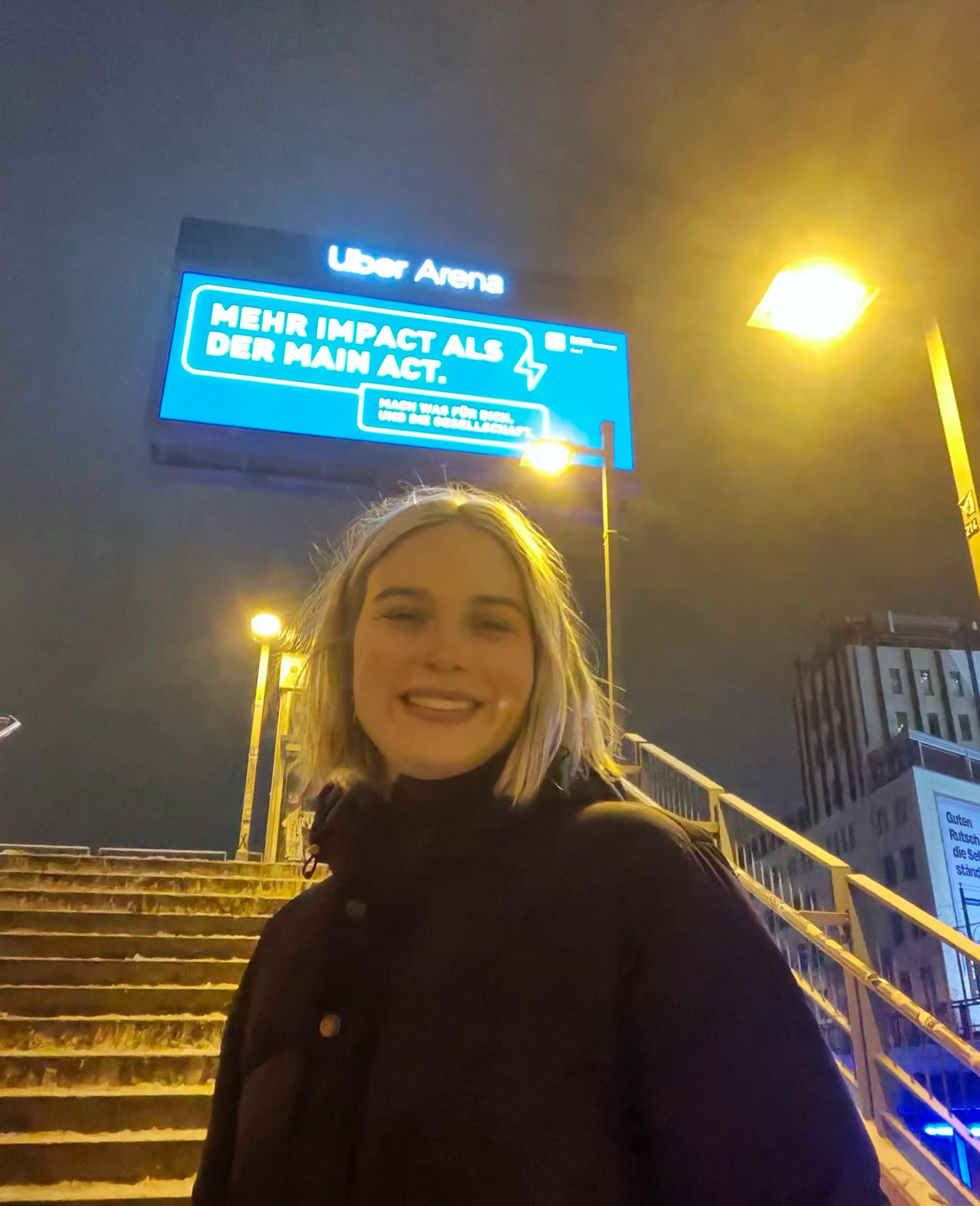
While taking an intensive German language course at Berlin’s Freie Universität last summer, “I realized the important role that this music scene plays in the city,” Guss said. “As I took more history classes and improved my German, I started to view techno as the first historical period in reunified Berlin.”
Her days include examining old fanzines at the Archive of Youth Cultures, searching for interview participants, and conducting interviews with people connected to the music scene.
“My initial research is revealing the major impact that narrators have on how history is told,” she said. “While Berlin’s techno scene is often described as an egalitarian utopia, my research is revealing that it may have only been a utopia for a select few.”
Her work now emphasizes the experiences of East Germans, women, and people of color who have often been overlooked in accounts of Berlin techno history.
Returning to Berlin for a second summer has helped Guss expand that research. Relationships established during her previous work have led to new interview partners, while her stronger German skills allow her to conduct more interviews in the interviewee’s first language.
Guss has also approached this experience abroad differently, spending less time traveling and more time getting to know Berlin. “I’ve been trying to immerse myself in the city as much as possible,” she said. “I have found my deeper knowledge of the city itself to be very useful for my research.”
Sydney law enforcement after Bondi Beach
More than 10,000 miles away, Gunawardena is studying how Australian law enforcement responded following the December 2025 terrorist attack at a Hanukkah celebration on Sydney's Bondi Beach, where a gunman killed 15 people during an event attended by roughly 1,000 people.
The political science major from Philadelphia is examining how police policies changed in a country already known for strict gun laws while conducting interviews and making firsthand observations from the community where the attack occurred. With a long-term goal to become a Federal Bureau of Investigation agent, Gunawardena’s interest in law enforcement led him to this topic.
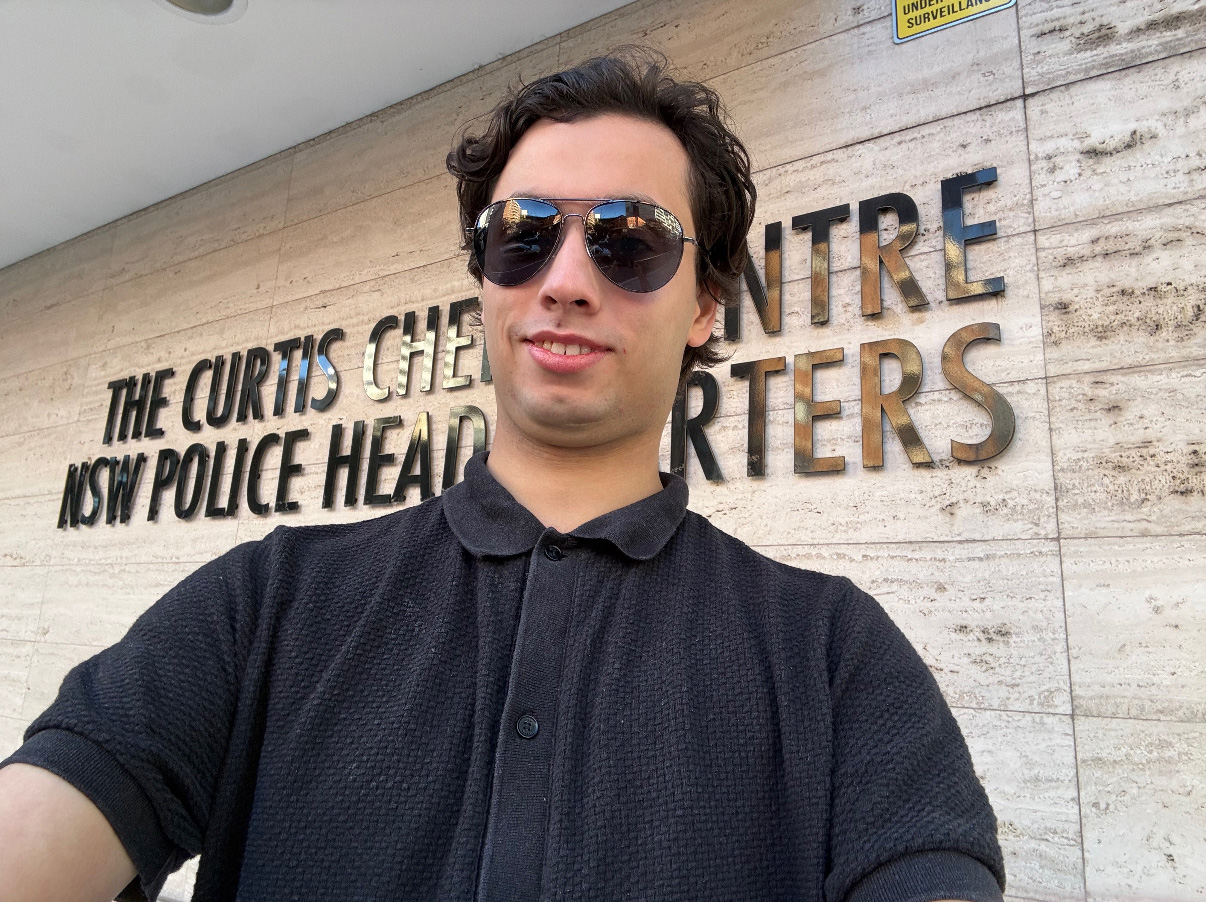
“I wanted to research the response of law enforcement to a mass shooting in a country that already has strict gun control, which I do believe is important, but it’s just one factor in reducing gun violence,” said Gunawardena, who is also pursuing a minor in journalism.
Conducting research abroad — including interview requests with the New South Wales Police Department and the Australian Federal Police Force, which initially declined due to the ongoing investigation — has given him a perspective that would have been impossible to gain from a classroom. He also is speaking with local criminologists to augment his own observations of police presence in Bondi.
“I had to travel to the other side of the world in order to get a real feel of what I’m studying,” he said.
His initial findings point to expanded police powers, stricter gun regulations, and increased patrols in Bondi. But one discovery surprised him for a different reason.
“The attack hasn’t seemed to impact tourism and visits to the area,” Gunawardena said. “Although the attack happened six months before I came, I assumed there would still be a slight decline in tourism, but there really hasn’t been.”