
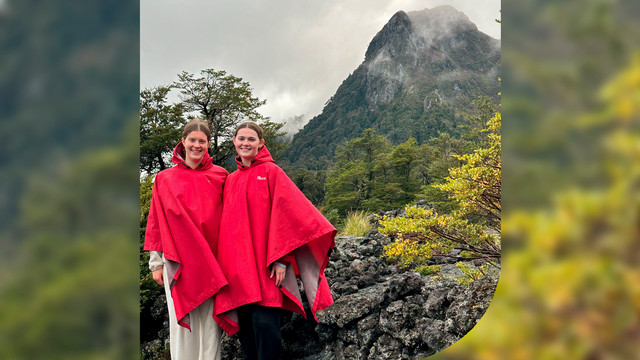
Students gain a global perspective through the University of Richmond EnCompass program
STUDENT EXPERIENCE
Students in this year’s EnCompass program explored Chile, the Netherlands, and New Zealand.
The fully funded short-term study abroad initiative expands access to international education for students who might otherwise miss that opportunity. The program connects global learning with faculty mentorship, academic preparation, and real-world engagement.
Since its founding in 2019, 190 students have participated in 26 trips to 16 unique countries.
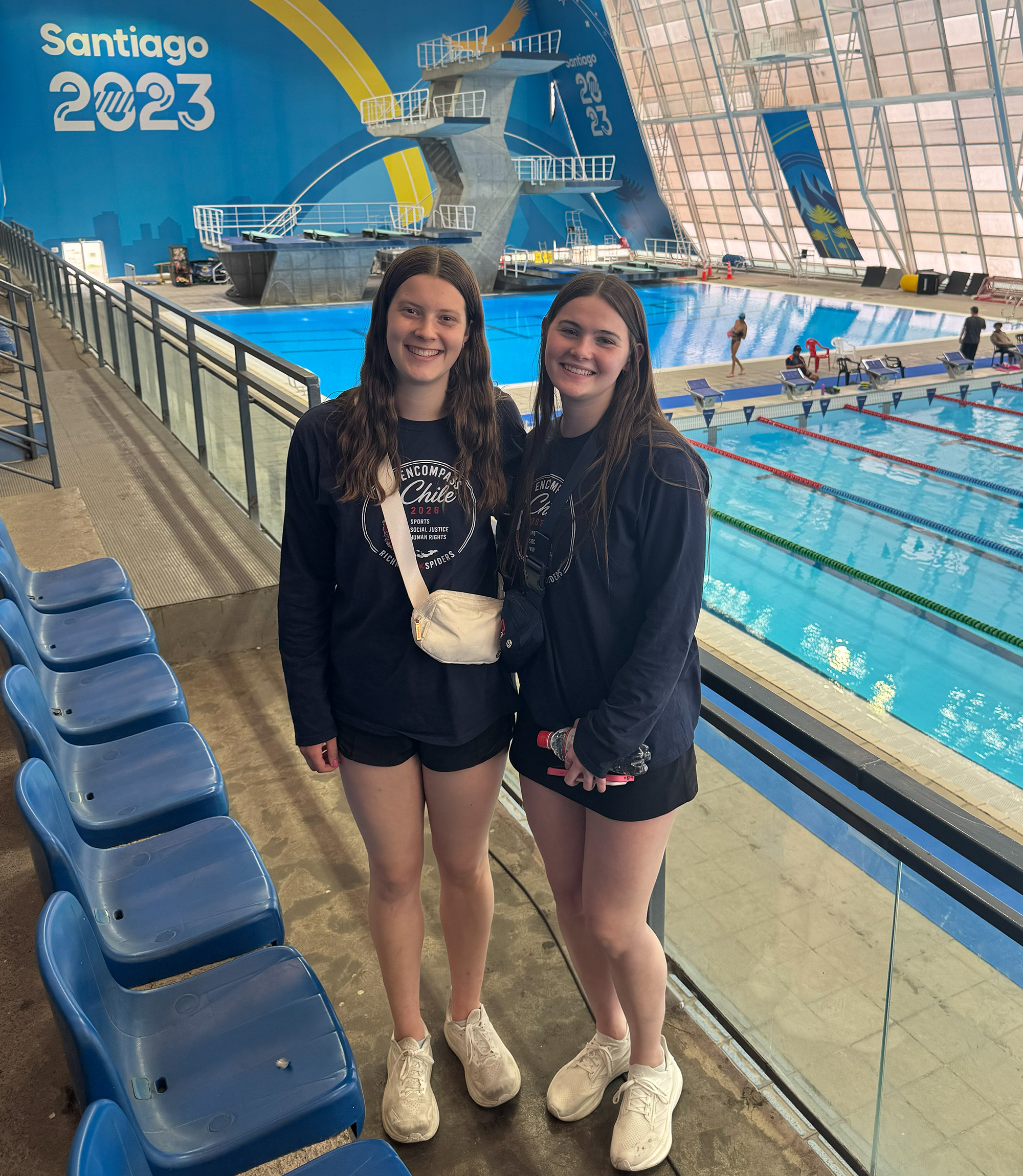
Sports, Social Justice, and Human Rights in Chile
In a program specifically for student-athletes, Courtney Hughes, assistant athletics director for academic support and civic engagement, and Erik Nielson, professor of liberal arts, guided participants through immersive experiences exploring athletics and human rights. Participants also met with Chilean activists, athletes, and youth leaders to better understand the country’s complex political history and social movements.
Senior Rachel Vandersea, a member of the women’s swimming and diving team, said a visit to the Estadio Nacional was especially impactful. The stadium is part of an expansive athletic complex, but it was also used as a mass imprisonment and execution facility by the Pinochet dictatorship in the 1970s.
“What struck us most was the fact that the government has left one section of the stadium as it was in 1973,” she wrote in a blog post for RichmondSpiders.com. “The memories in the stadium are very personal to many Chileans, including our tour guide, whose father was imprisoned there.”
Tramayne Bullock, a sophomore who plays defensive back for the Spiders football team, said the trip showed how sports can bring communities together and promote equality.
“I can relate this back to my own community,” he said. “I’m from a very diverse county where sports and athletic events tend to bring everyone together.”
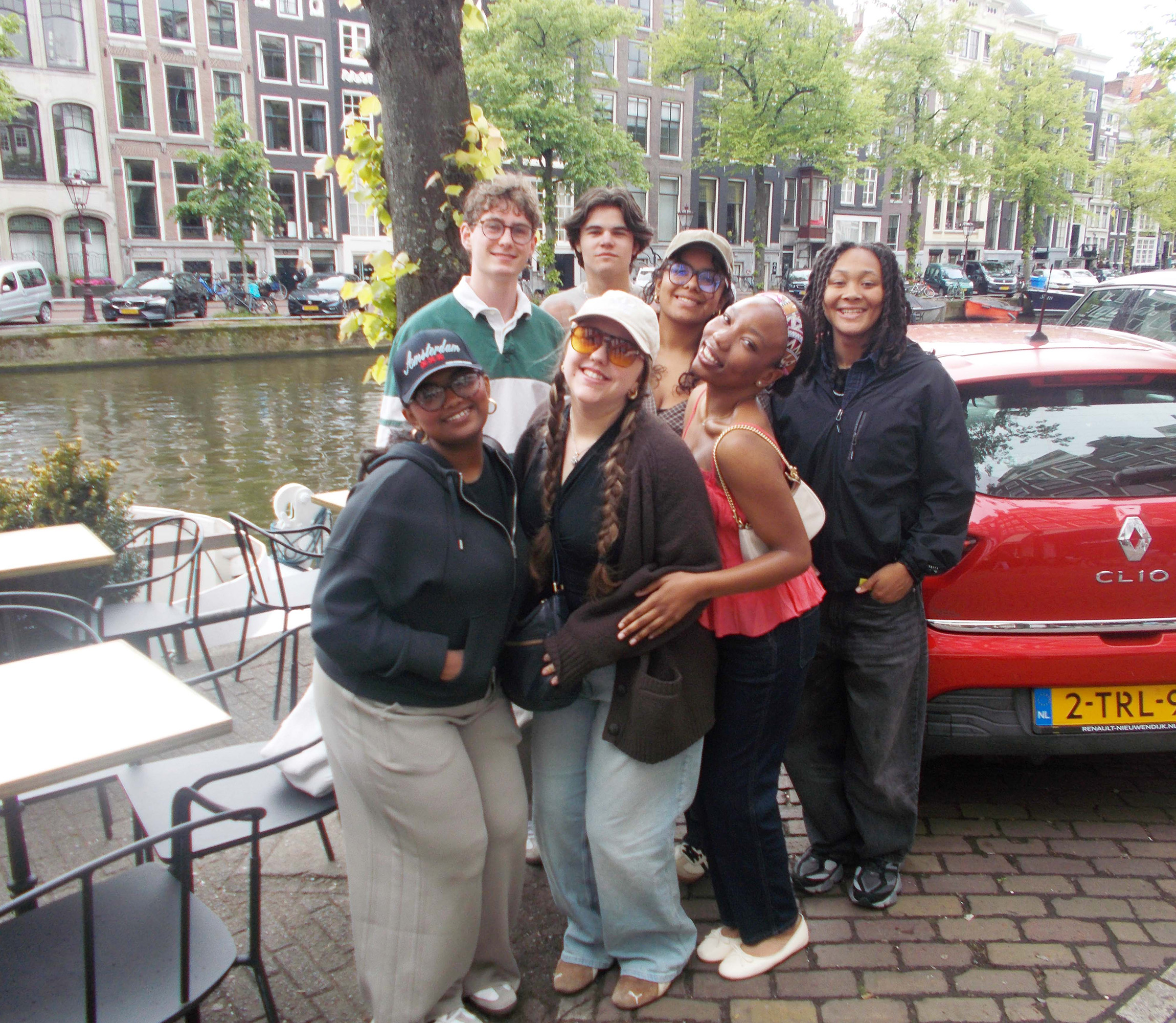
Human Rights in Amsterdam
Olivia Fears, a junior, applied to EnCompass after taking Gender and Work with Melissa Ooten, associate dean for social justice engagement and practice. Ooten led the trip to Amsterdam with Casey Butler, associate director of the Hub for Student Inclusion and Community.
“I knew beforehand that the Netherlands was very progressive compared to the U.S.,” Fears said. “We were able to analyze the U.S. and the Netherlands and compare their policies to ours.”
Through pre-trip meetings and site visits, students explored theoretical and practical understandings of human rights, as well as specific rights like education, housing, and healthcare. Participants also heard directly from local scholars, activists, and community leaders.
Nevaeh Eddins, a sophomore who plans to minor in health studies on the pre-health track, was particularly curious about the country’s efforts to provide universal healthcare.
“Learning how another country approaches healthcare and accessibility not only broadened my perspectives but also allowed me to consider new solutions as I prepare to enter into medicine,” she said.
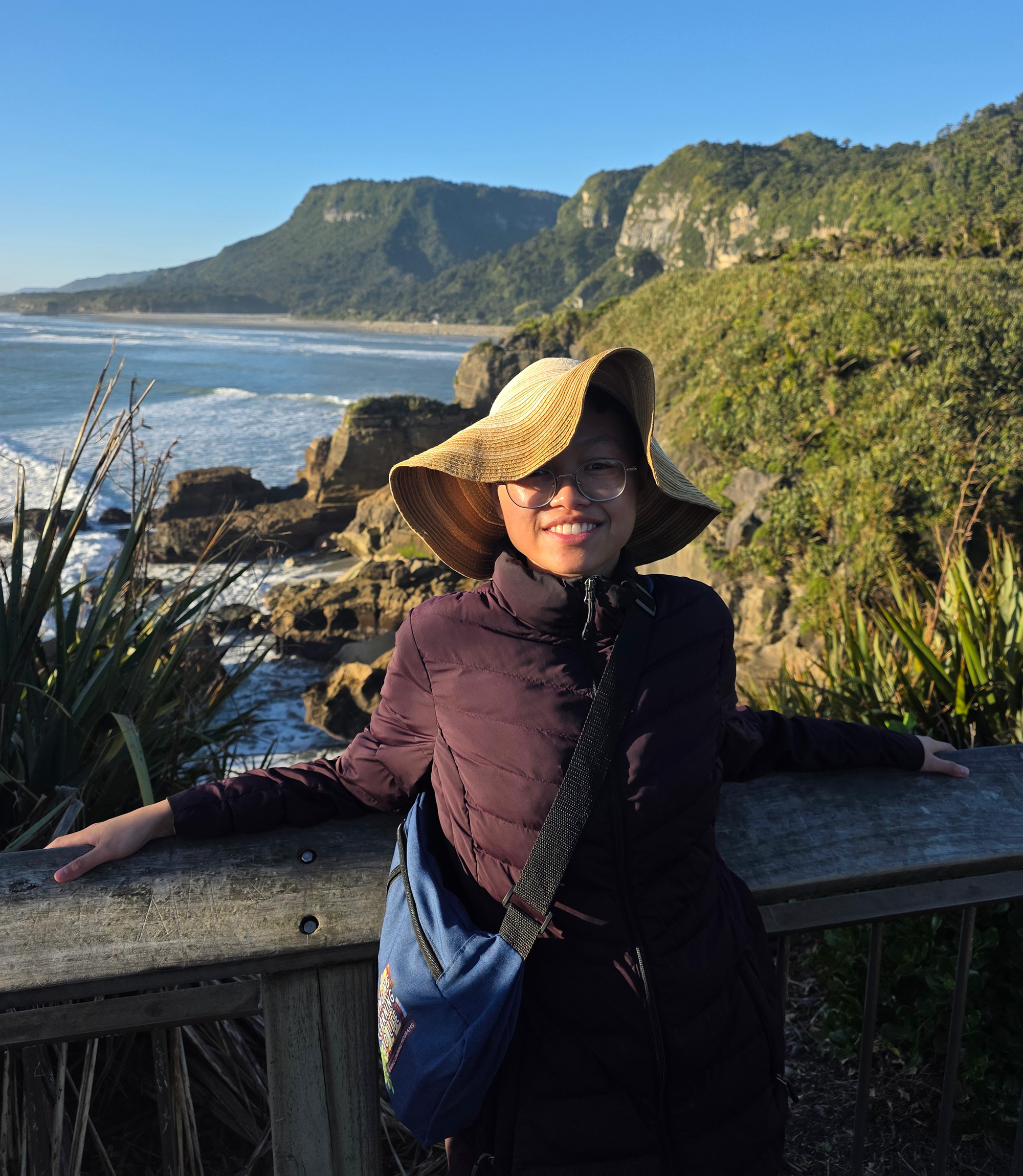
Health and Sustainability in New Zealand
New Zealand framed conversations on healthcare and the environment. Guided by Rick Mayes, chair of the Department of Health Studies, and Daniel Hart, associate director of sustainability and environmental justice, students examined the country’s efforts to improve health by expanding access to housing, transportation, education, and healthcare.
The group also spent one night in a traditional Māori village and learned about the Indigenous People’s approach to well-being that emphasizes physical, social, mental, and spiritual health.
“Before the trip, we learned about the Māori people’s culture, their perspectives on life and connection to the environment,” said Savannah Hollen, a sophomore. “But the experience of living in this collectivist culture was very different from just reading about it. We were expected to contribute to their community, to work there as part of a team.”
The program was a perfect match for sophomore Kristian Baisac, who is considering how to combine her interests in public health and environmental sustainability.
“There’s nothing like experiencing a culture and being immersed with the people, environment, and cities,” she said. “I was fascinated by just how much the Māori people’s spirituality is connected to the environment.”
Junior Donovan Murray, who is already planning his return for a semester abroad, said, “The trip gave me a new mindset. It reinforced that you can make an impact, no matter how small your individual action might seem. We have more control and more influence than we give ourselves credit for.”