
University of Richmond students win global competition
STUDENT EXPERIENCE
Crown-of-thorns starfish are a menace to the coral reefs off the Australian coast and other Indo-Pacific waters. During outbreaks, they can strip a reef of 90 percent of its coral.
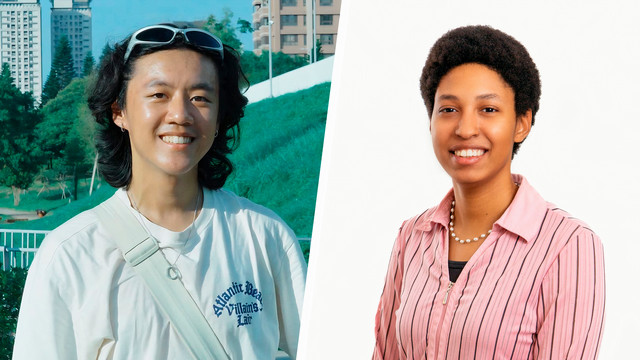
Two University of Richmond students are working to change that. Senior Jeff Tsai and sophomore Jasmine Johnson earned first place in the international Biodesign Sprint: Ocean Futures competition for developing a device designed to repel the spiky sea creatures. Their project, REEFUSE, stood out among 17 teams from universities around the world, including Tsinghua University, New York University, and UC San Diego.
Tsai first learned about the starfish outbreaks while on a Projects for Peace grant to his home country of Taiwan, where he helped plant coral stems in the summer of 2024. While diving, he saw the damage caused by these starfish and learned that warming ocean waters are a catalyst for the outbreaks.
“My collaborator asked me if I’d be interested in spreading public awareness on this subject matter,” said Tsai, a biology and film studies double major. “This sparked the idea of developing conservation technology beyond communications to support my community back home.”
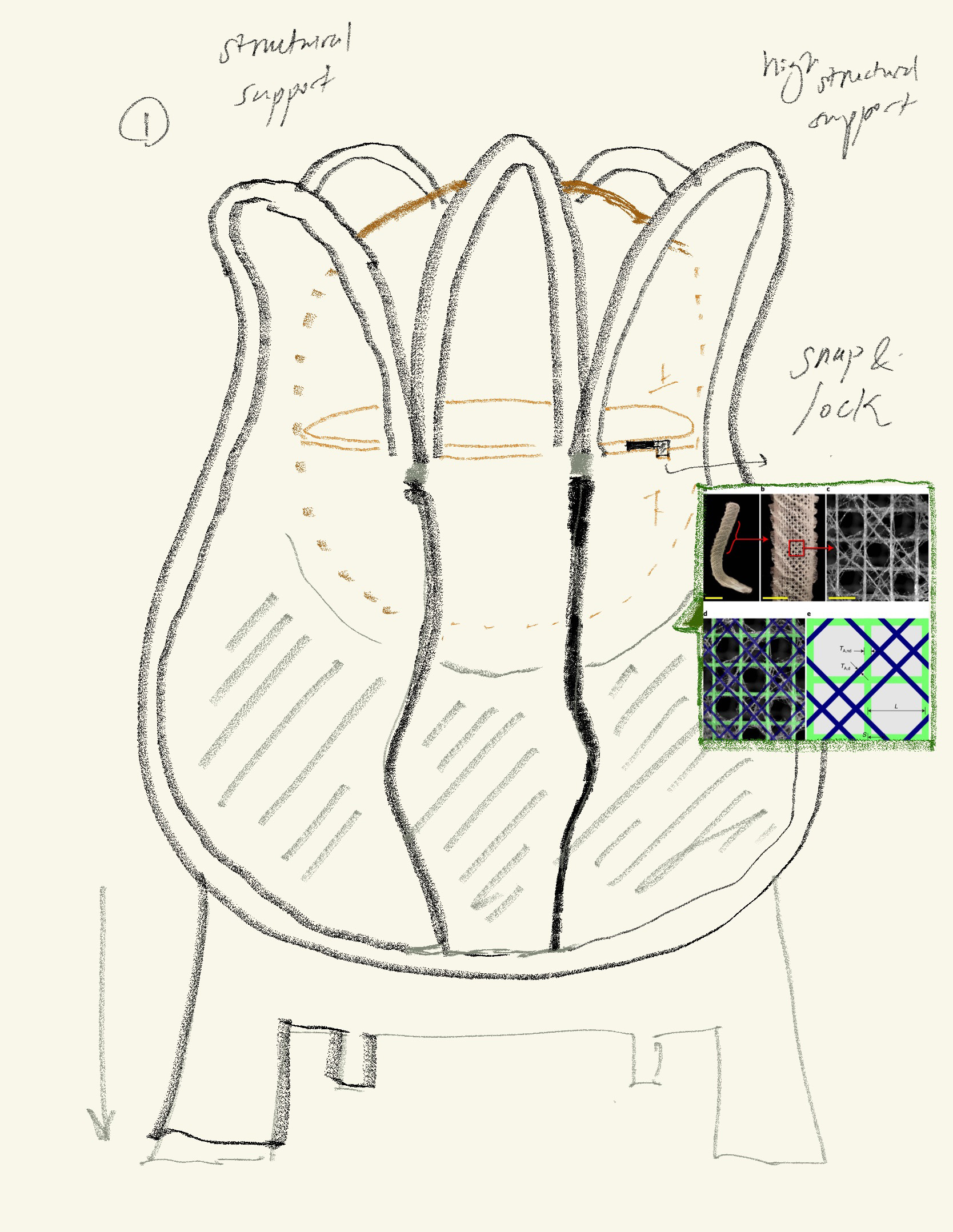
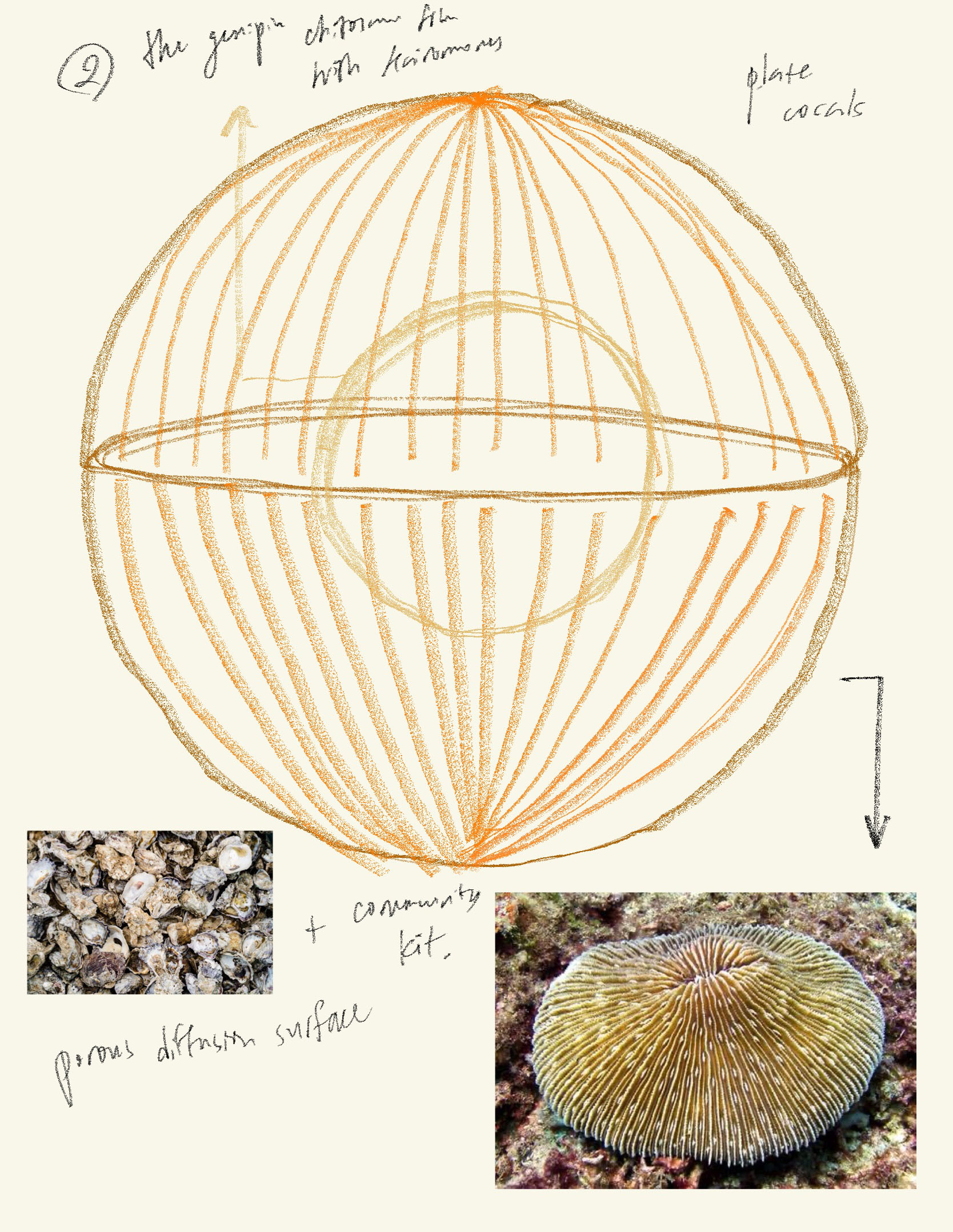
He learned that the giant triton snail, a natural predator, releases a chemical cue that provokes fear in the starfish and drives them away. He envisioned a device to hold a liquid that would replicate the snail’s cue, which would release the liquid in warming waters and quell outbreaks.
He partnered with Johnson, who had previously traveled to New Zealand for studies focused on conservation and restoration efforts for sustaining biodiversity. They were guided by Emily Boone, senior teaching faculty of biology and environmental studies. Other mentors included Andrew Ilnicki, director of the Innovation Studio, and chemistry professor Mike Norris, in whose lab they created a simple, biodegradable shell device to hold the liquid and conducted an experiment.
Ready, set, sprint!
As part of the Biodesign Sprint, which ran from Oct. 1 through Dec. 5, they had to create a prototype, presentation, and video and conduct preliminary research for REEFUSE.
Their research found that the shell released methylene blue dye — a stand-in for the predator cue — at higher concentrations when placed in seawater warmed to 32 degrees C, compared to 28 degrees C.
“Higher ocean temperatures can drastically accelerate their development rate and increase larval survival by 240 percent, leading to more outbreaks,” said Johnson, a biochemistry and microbiology major.
Balancing research, design, and coursework wasn’t easy. “We had our hands full juggling the deliverables for the Biodesign Sprint with schoolwork and academics,” Johnson said. “Thankfully, we both have a good work ethic and played into our strengths, allowing us to be efficient.”
Worldwide competition
Their effort paid off. In December, they presented their work virtually to a panel of scientists, designers, and industry leaders.
“What made them stand out in the competition was the level of thought that they put into considering both the biological and engineering problems that needed to be addressed and coming up with a simple design that could potentially be implemented rather than a purely theoretical pie in the sky idea,” Boone said.
Tsai learned of their win in D-Hall. “I jumped out of my seat in excitement and startled a few people eating,” he said.
Future developments
While promising, the project is still in early stages. Researchers are continuing to study the giant triton snail’s chemical signals, and the team is working to refine the material and delivery system beyond their device.
Tsai and Johnson are pursuing additional research, grant funding, and partnerships to bring REEFUSE closer to real-world application.