
University of Richmond students pitch in over spring break
STUDENT EXPERIENCE
SEEDS teams take on projects to address poverty and environmental challenges in West Virginia and South Carolina.
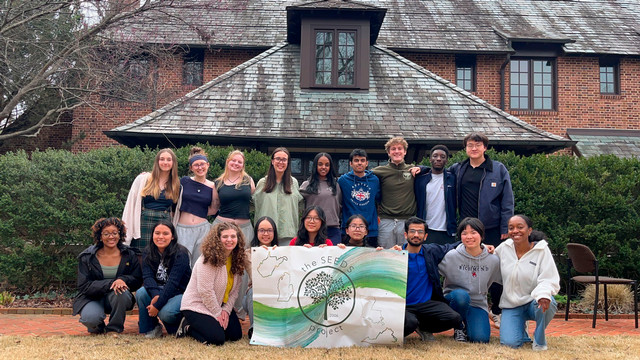
While spring break means relaxation for many students, the 22 Spiders who took part in SEEDS trips had different plans. Instead, the group rolled up their sleeves and engaged in service projects during the four-day trip in March, learning from and assisting local leaders.
Students Engaging and Enacting a Dialogue on Service (SEEDS) divided into two groups, with one working in Clarksburg and Morgantown, West Virginia, and the other in Charleston, South Carolina.
West Virginia
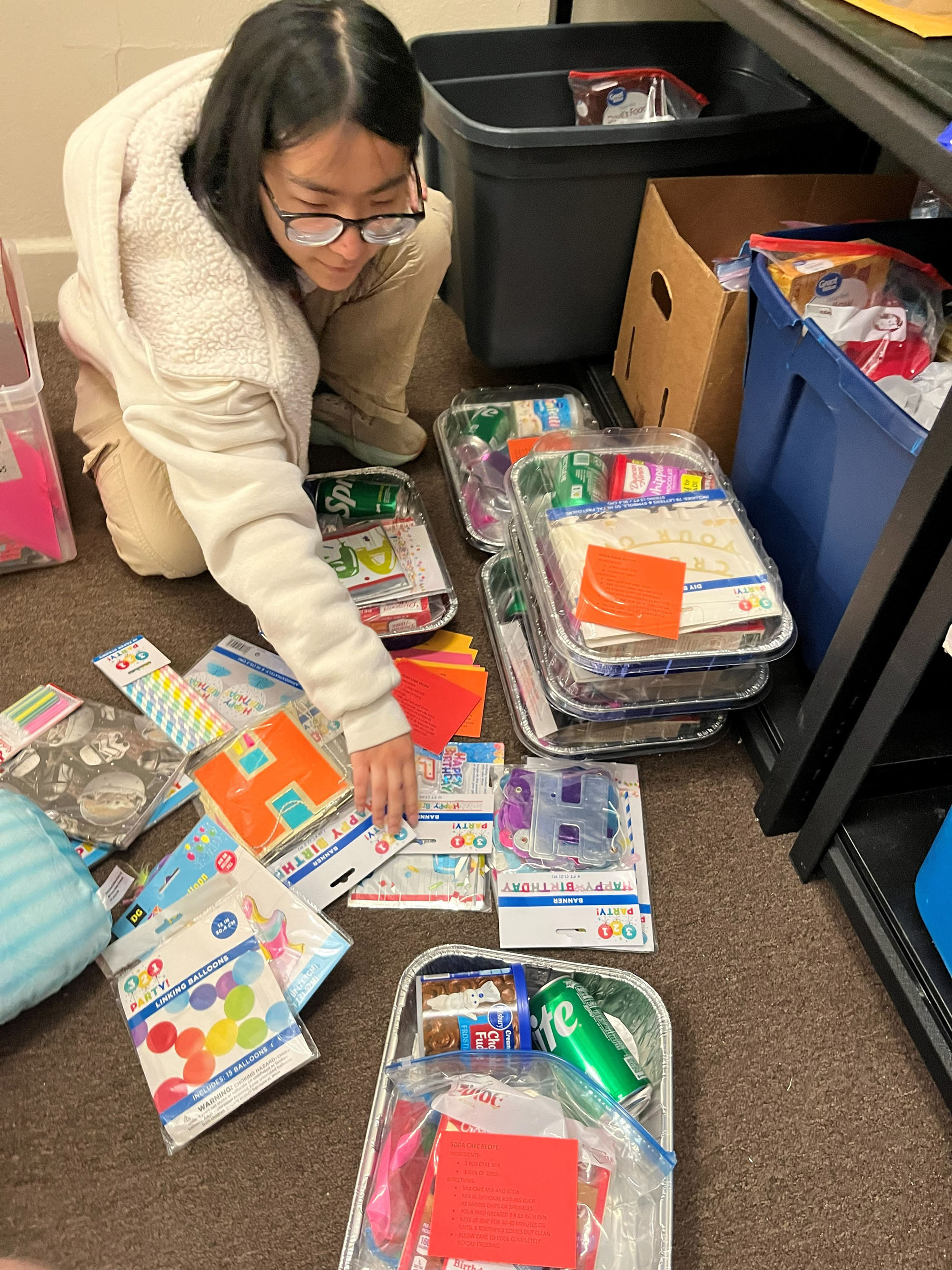
In Clarksburg, students organized storage space for Clarksburg Mustard Seed, a Christian organization that provides food, clothing, toys, hygiene products, and Birthdays in a Box for those in need. They helped fit patients with glasses at the Health Access Free Clinic and assembled garden beds.
“In addition to providing critical medical care to patients in need, the clinic has recently begun growing whole foods and teaching classes in healthy living,” said senior Adrian Grubbs, the club’s president. “We helped them double the size of their garden.”
Grubbs recalled a memorable moment while cleaning and organizing the Court Appointed Special Advocate (CASA) facility in Clarksburg, where they also learned about area foster care.
“We assembled over 50 clear shoe boxes so that they could store shoes for kids in a more dignified way, rather than throwing them in a giant box,” Grubbs said.
The students also took part in service projects for the United Way and Christian Help in Morgantown. Juniors Jasmine Lin and Mera Seifu served as the trip’s chairs.
South Carolina
Students in Charleston learned about the environmental challenges of the area from several organizations, including Friends of Gadsden Creek, the Lowcountry Land Trust, and the South Carolina Department of Natural Resources.
The SEEDS team removed invasive golden bamboo in the Gullah/Geechee historic settlement community of Beefield, located on James Island in Charleston County. They also picked up trash and planted over 750 seedlings of Spartina grass in Charleston.
“Planting Spartina grass in Charleston is crucial because it stabilizes marsh soils, reduces erosion, and buffers storm surge and flooding. It also provides habitat for wildlife, improves water quality by filtering pollutants, and supports the overall health and resilience of fragile coastal ecosystems,” said Srejan Raikwar, a junior who served as the South Carolina trip chair. This is his third year working with SEEDS.
Raikwar said participants have reflected on how the SEEDS trip stayed with them. Some are returning this summer to continue working with the partners, while others will bring the lessons back to Richmond, their hometowns, and campus.
“This dialogue didn’t end with the trip,” Raikwar said. “In fact, it sparked ongoing commitment, connection, and a deeper sense of responsibility to engage with environmental issues in their own communities.”